
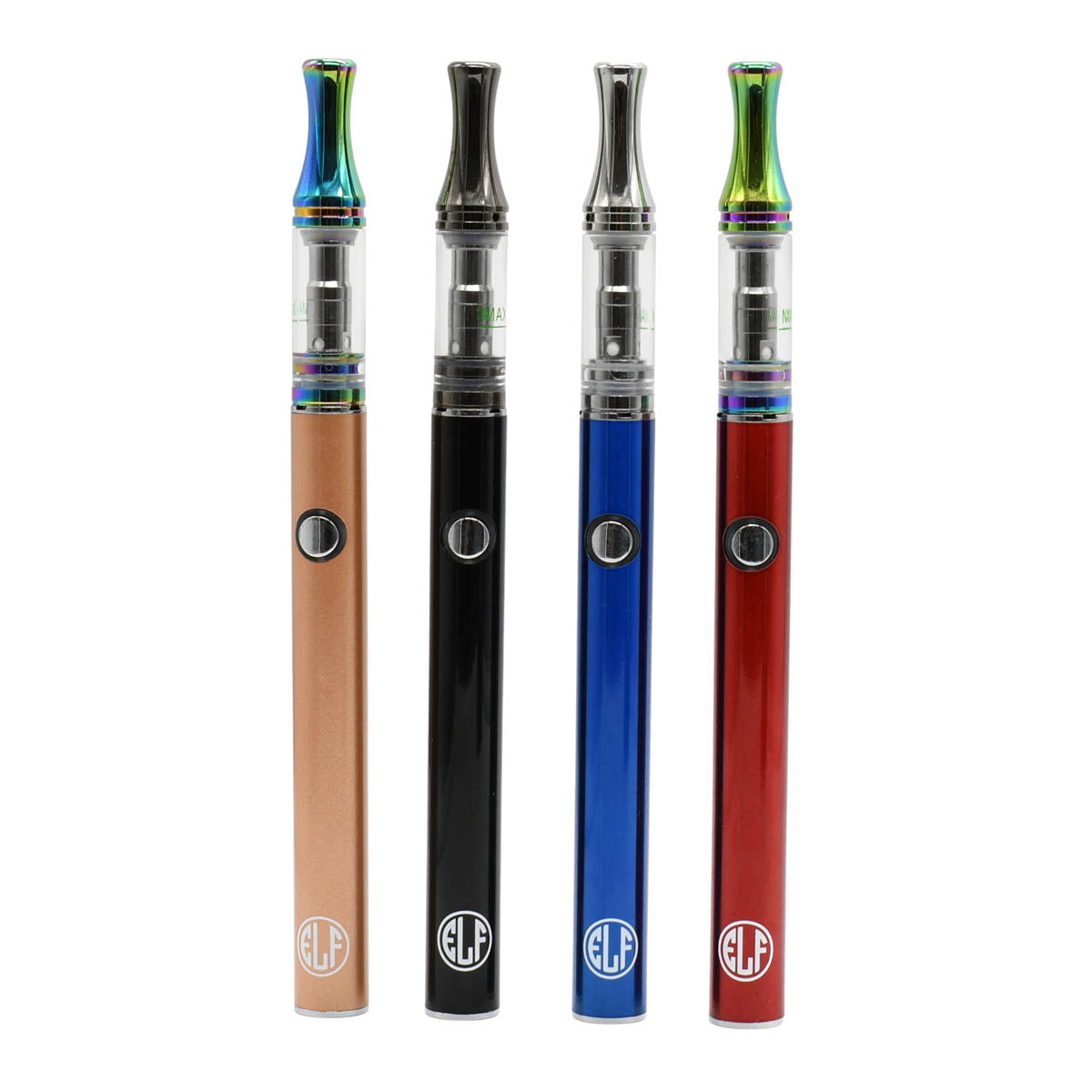
A single 510 thread battery connects to a 510 thread vape cart, which lets you use THC, CBD, or delta 8 oil whenever you want. This simple mechanical connection is what actually drives the massive secondary market for cannabis accessories. It turns a basic piece of hardware into a platform for endless variety.
The whole industry relies on this standardized screw-on mechanism. Because of these threads, you can mix and match different brands of oil with different brands of batteries. It’s a modular system, meaning you aren’t locked into one single ecosystem. If you pick up a new cartridge at a dispensary, it’ll almost certainly fit the battery you already have in your pocket.
The specs are pretty straightforward. A 510 thread battery is just a rechargeable lithium-ion power source with universal threading that fits basically every vape cartridge out there. This universality is why the industry grew so fast. Without this standard, every single oil manufacturer would have had to make its own proprietary battery hardware.
It can be easy to feel overwhelmed by how many options exist. There are pens that look like actual pens, tiny boxes that fit in a pocket, and even key-fob styles that hang on a ring. Each design is built for a different lifestyle, whether you need to be discreet during a commute or want high-performance output for a heavy session.
The Engineering of Threaded Power Sources
At its core, a 510 battery is just a regulated power source. It pulls energy from a lithium-ion cell and sends it through a center pin to the cartridge. The quality of that connection determines whether you get a smooth hit or a frustrating, leaking mess. A loose connection often leads to intermittent firing, which completely ruins the intended potency of your oil.
Voltage control is the biggest variable in how the device feels. Most modern units offer variable voltage, so you can choose between a low, cool mist or a hot, intense vapor. This matters because different oils react differently to heat. High-terpene oils often need lower settings so the delicate flavor profiles don’t get scorched or burnt.
Voltage and Heat Management
You’ll typically want lower voltage settings for high-quality concentrates. If you crank the heat too high on a premium distillate, you might destroy the exact flavor you paid for. On the other hand, some thicker oils need a bit more warmth to flow through the atomizer properly. It takes a little trial and error to find the sweet spot for every new brand of cartridge.
Heat management also affects how long your battery actually lasts. Cheap batteries often overheat during long draws or when you’re running them at max voltage. This heat can transfer to the cartridge, thinning the oil and causing it to leak out of the bottom threads. A well-built unit manages this heat dissipation so it doesn’t ruin the hardware or the expensive oil inside.
Manufacturers have come out with different form factors to grab different parts of the market. The slim pen is the classic choice for portability. The compact box is more stable and usually includes a digital display for precise voltage control. There’s a device for every type of user.
Hardware Varieties and Consumer Choices
When shopping for hardware, the market really splits into a few categories. Some people want something that disappears in their hand, while others want a device that feels substantial. The choice of 510 thread vapes often depends on whether you want a quick hit on the go or a controlled session at home.
The “pen” style is still the most popular because of how it feels in the hand. These are slim, cylindrical, and easy to slip into a pocket. They are that “disposable-style” hardware that many beginners go for because they’re so intuitive. You just click a button or draw through them and they work.
Box-style batteries are what connoisseurs usually go for. These units are larger and often include screens showing the exact voltage or battery percentage. Because they have more internal space, they can hold larger batteries that last much longer than the tiny cells in slim pens. This is a huge advantage if you don’t want to carry a charger everywhere.
There’s also a growing niche for “key-fob” or ultra-compact batteries designed for discretion. They are small enough to attach to a keychain, making them almost invisible during casual use. They’re convenient, but they usually lack the battery life or voltage precision of the bigger models.
| Battery Type | Primary Benefit | Best For |
|---|---|---|
| Slim Pen | Portability | Casual, on-the-go use |
| Box Mod | Precision & Power | Heavy users/Connoisseurs |
| Key-fob Style | Discretion | Travel and light use |
Optimizing the Cartridge Connection
The connection between the battery and the cartridge is the most common failure point in the whole system. A 510 thread battery connects to a 510 thread vape cart, allowing you to conveniently consume THC, CBD, or delta 8 oil. But if the threads aren’t perfectly aligned, the electrical circuit won’t complete. You’ll just get a blinking light and a wasted hit.
Sometimes the issue isn’t the threads, it’s leaked oil. When oil seeps into the connection area, it acts as an insulator or creates a sticky mess that blocks electrical contact. This is why many experienced users suggest wiping the bottom of the cartridge and the top of the battery with a Q-tip before every use.
New users often overlook maintenance, assuming that once they buy the hardware, it’ll work perfectly forever. That’s a mistake. The internal components, especially the spring-loaded center pin, can wear out or lose tension over time. When that pin fails to make consistent contact, the whole device becomes useless.
It’s a strange reality that a fifty-dollar battery can be killed by a single drop of oil, but that’s just how liquid consumption works. Keep the threads clean. If you notice a lack of power, check the connection before you decide the battery is dead. Usually, a little cleaning is all it takes to fix a malfunctioning setup.
Identifying High-Quality Hardware
Not all 510 batteries are equal, and the difference is usually in the internal chipset. A high-quality chip provides consistent voltage even when the battery charge is low. A cheap chip might start strong but then drop power as the battery hits 50%, which leads to inconsistent hits and an annoying experience.
Build materials matter too. Aluminum and stainless steel are much better than the cheap plastics in bottom-tier devices. Plastic can crack under pressure or degrade when it touches certain cleaning agents, and it just feels cheap. If you want a device that lasts, look for metal.
The “premium” label isn’t just marketing if it’s backed by real engineering. For example, the Core Series – Vessel represents a tier of hardware designed specifically to cater to the discerning connoisseur through custom-made engineering. These units are built to provide the most stable power delivery possible, which is essential for high-end oils. Even a tiny variation in electrical output can change how a specific strain tastes.
Understanding Compatibility and Content
The term 510 thread is a standard, but it doesn’t guarantee that every cartridge will work with every battery. While the threading is universal, the physical dimensions, specifically the width of the base, can cause problems. Some wider, “fat” cartridges might not seat properly on a slim pen, which prevents the center pin from hitting the cartridge’s bottom pin.
It’s also important to remember that 510 batteries are mostly intended for cannabis oil cartridges, those pre-filled carts you buy at dispensaries. While you might see “vape bars” or other products, the 510 system is specifically for the screw-on cartridge format. It’s a modular system for oil, not necessarily for disposable-style products.
People often ask about nicotine in this format. Generally, nicotine vapes don’t use 510 threads because the market has moved almost entirely toward disposable pods or closed-system tanks. The 510 market is almost exclusively for cannabis and CBD oils.
When you’re picking a setup, think about the oil you’ll buy most often. If you prefer heavy, thick distillates, get a battery with more power and a larger base. If you prefer thin, high-terpene live resin carts, you’ll want a battery that allows for very low, precise voltage settings so you don’t burn the product. Match your hardware to your oil.
Always check the charging requirements before you buy. Some high-end batteries use USB-C, while others still use the old micro-USB standard. Using a high-speed phone charger on a battery designed for low-voltage charging can damage the lithium-ion cell or even cause the battery to swell, which is a major safety risk.
Always use a microfiber cloth to clean the connection pins to ensure a steady electrical flow.
Common questions
Is 1 puff of a vape equal to one cigarette?
No, because nicotine concentration and vapor volume vary significantly, making a direct 1:1 comparison inaccurate.
Does Amazon sell 510 vape batteries?
Amazon typically restricts the sale of most 510 vape batteries due to their association with nicotine or THC products.
How many hits of a vape is equal to 20 cigarettes?
There is no exact number, as it depends on the nicotine strength and inhalation duration of the device.
Do nicotine vapes come in 510 thread?
Yes, many nicotine-based e-liquids and cartridges are designed to fit 510-thread compatible batteries.
What are 510 thread vape pens?
510 thread pens are a standardized connection type used to attach cartridges to a battery device.
No comment